VolunteerDonate
Reaching remote and excluded communities
Our work

Ten programmes. Real needs. Local partners.

Each programme addresses a specific need identified with the communities we work in. None is run by APYCF staff on the ground — every one runs with an organisation that was already there.

Education support
Guizhou · Singapore

Education support

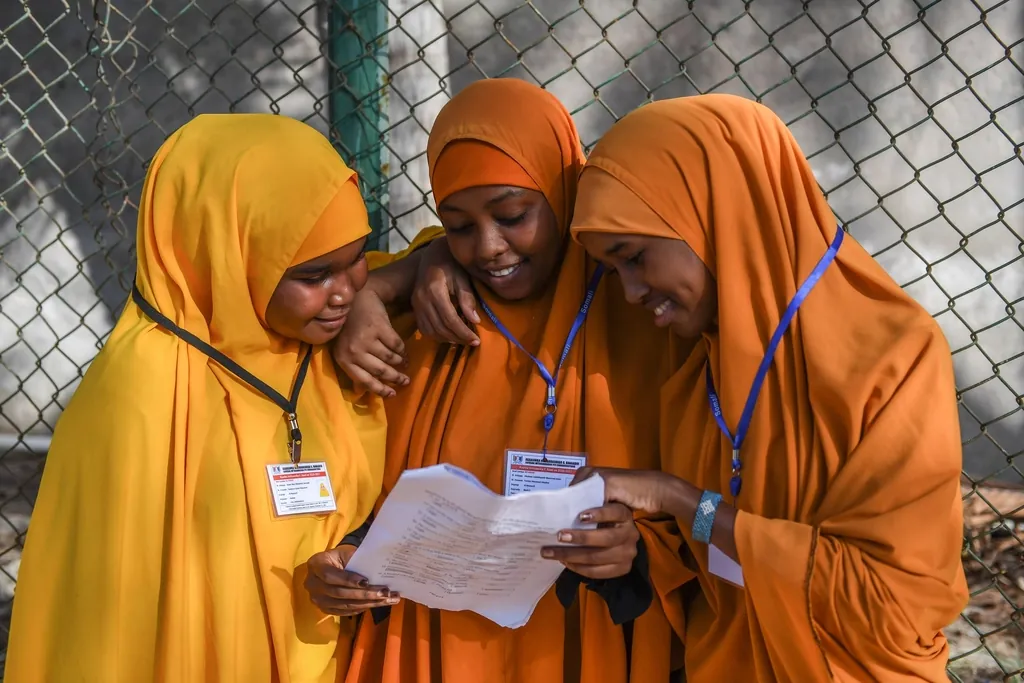
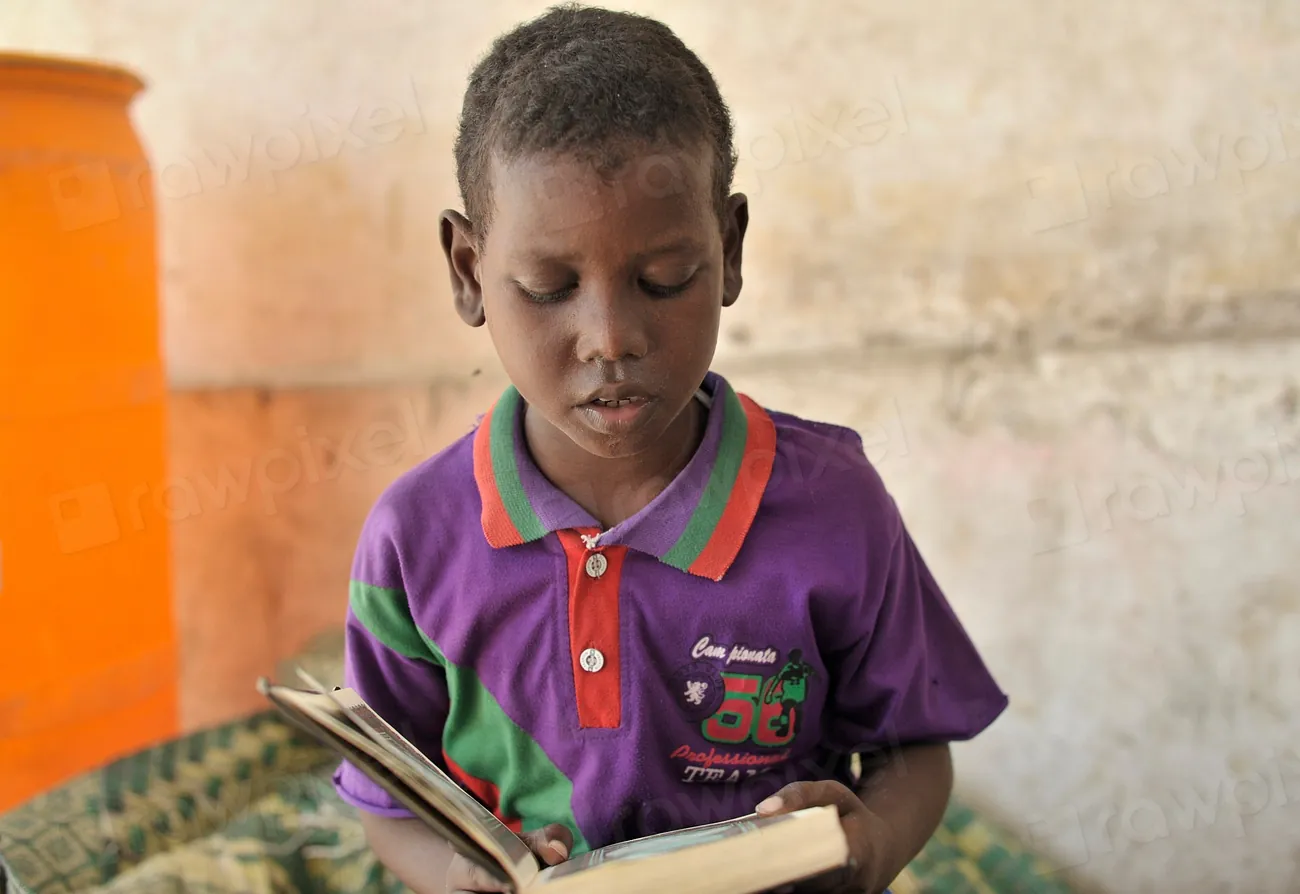
Many children leave school early because of poverty, distance or pressure to work. This programme combines long-term financial aid, school supplies and after-school learning centres staffed by trained community educators.

In Singapore the Glimmer Project runs weekly after-school sessions for children living in older public housing, and cross-border support reaches students from difficult family backgrounds in surrounding regions.

Child nutrition and community meals
Guangzhou

Child nutrition and community meals

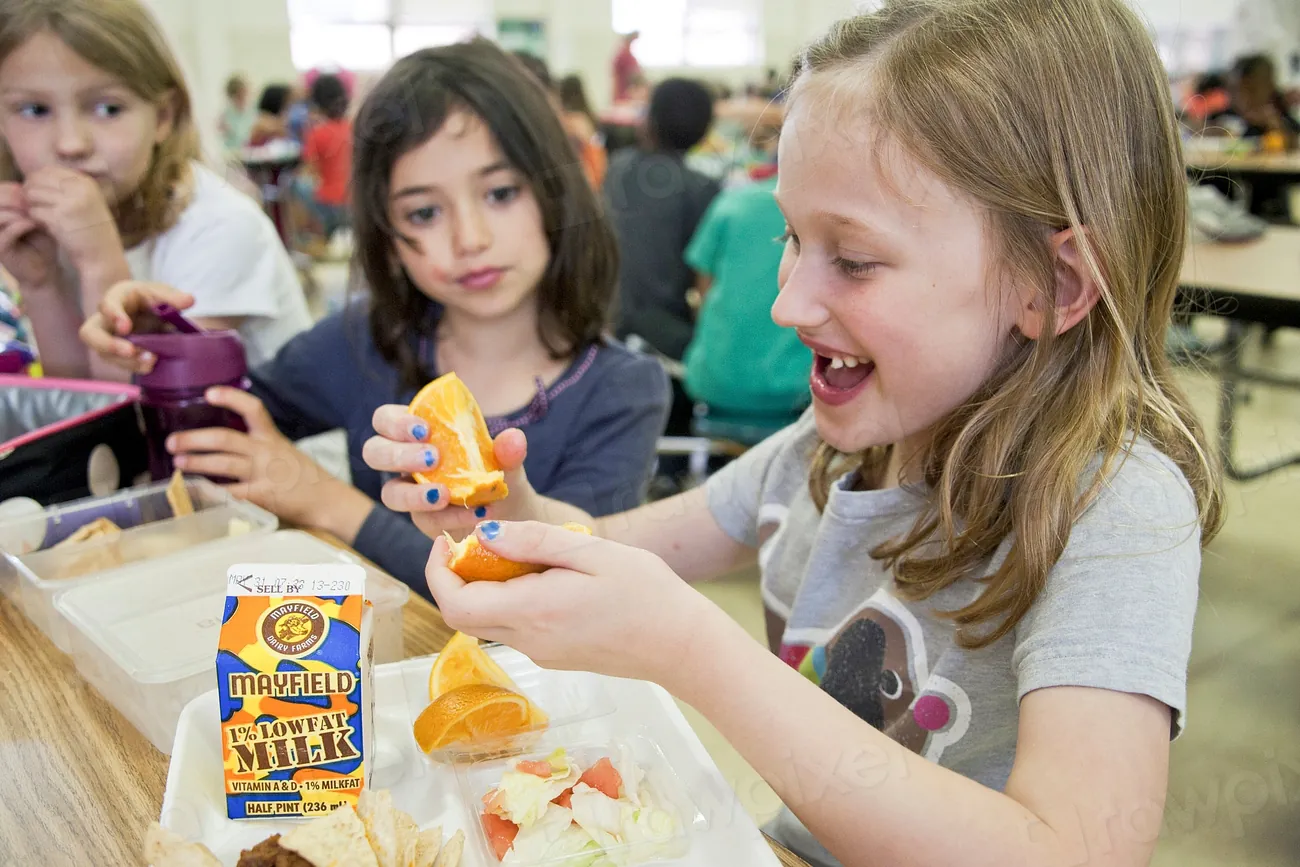
Malnutrition in early childhood causes permanent developmental damage. We provide supplementary feeding, growth monitoring and therapeutic food through community partners.

A small canteen in a Guangzhou urban village gives migrant-worker children a hot meal, homework support, companionship and a safer afternoon. Community health volunteers screen young children and refer clinical cases.

Street dog rescue and rehabilitation
Chengdu · Seoul

Street dog rescue and rehabilitation

Many stray dogs and cats on Asia-Pacific streets are injured, malnourished or diseased. Working with local animal protection organisations, rescue teams recover animals in distress and move them to partner shelters for care.

Each rescued animal receives a veterinary assessment, treatment, vaccination, microchipping and neutering before adoption. Animals unsuitable for adoption are placed in long-term care rather than euthanised.

Dog meat trade intervention
Mainland China · South Korea

Dog meat trade intervention

The dog meat trade involves the transport, slaughter and sale of dogs, many of them stolen pets or captured strays. APYCF works on two fronts: direct rescue at transit points, and long-term engagement with vendors to support transition away from the trade.

Field teams work alongside local law enforcement to intercept illegal transport. We do not treat this as purely punitive — we connect vendors with livelihood alternatives, because lasting change needs economic solutions alongside legal ones.

Asia-Pacific youth exchange
China · Japan · Korea

Asia-Pacific youth exchange

APYCF supports youth exchange activities across the region, creating opportunities for young people from different countries, cultures and communities to learn from one another — through regional forums, online dialogues, volunteer exchanges, cultural programmes and community-based activities.

Participants are encouraged to explore education equity, public health, animal welfare, environmental awareness, digital literacy and community development. The twenty-second staff exchange met in Beijing to review programme work and plan the year ahead.

Environmental action
Mainland China

Environmental action

Young volunteers restore public spaces, sort waste and run visible examples of environmental responsibility in their own neighbourhoods, often alongside schools and local youth organisations.

Also running

Programmes we have no photograph of yet. Rather than buy one, we describe them.

Emergency relief and disaster response

Where partners ask

When a typhoon, flood or earthquake strikes, APYCF works through local volunteers and partner organisations to get supplies moving. We pre-position emergency supply caches in high-risk areas so distribution can begin quickly.

Each emergency kit contains a seven-day food supply, water purification tablets, basic medicines, a hygiene pack and a thermal blanket. Beyond immediate relief we fund transitional shelter repairs and livelihood recovery grants.

Orphan care and family reintegration

Through partner homes

Orphaned and child-headed households face compounding disadvantages. APYCF supports residential care through vetted partner homes, and family reintegration for children who can be placed with extended relatives.

Monthly welfare stipends ensure housed children have school supplies, clothing and necessities. Social workers visit regularly, and reintegrated children receive a twelve-month support package.

Girls’ education initiative

Where partners ask

In some communities we work in, girls leave secondary school at roughly twice the rate of boys. The causes are specific: period poverty, families prioritising sons, and unsafe transport routes.

Girls aged 11 to 16 receive monthly sanitary supplies, a school fee scholarship, a safe transport subsidy and group counselling. We run parallel sessions with parents and community leaders.

Community neutering and vaccination

With partner clinics

The most effective long-term answer to street dog populations is humane population management: mass neutering combined with rabies and distemper vaccination. Without it, rescue addresses symptoms rather than causes.

Mobile veterinary units travel to villages and neighbourhoods offering free services alongside partner clinics and local animal protection organisations.

Apply for support or partnership

If you are a community organisation, school or government body in the Asia-Pacific region, contact us to discuss working together.