Donate
AISSR

Research Projects

Research initiatives addressing contemporary questions in health, psychology, education and the social sciences.

What we propose to study

Ten studies the Institute has put forward. They are written here at the stage they are actually at, which is the earliest one.

Proposed means proposed. Each of these is a question the Institute intends to work on. None of them has a protocol before a review board, a principal investigator, funding, a field site or a single participant, and none of them has produced a finding. Nothing on this list is running. When one of them starts, it moves into the record set out further down this page and is listed with every field filled.

United States

Five proposed studies of conditions in American cities and of what they cost the people living in them.

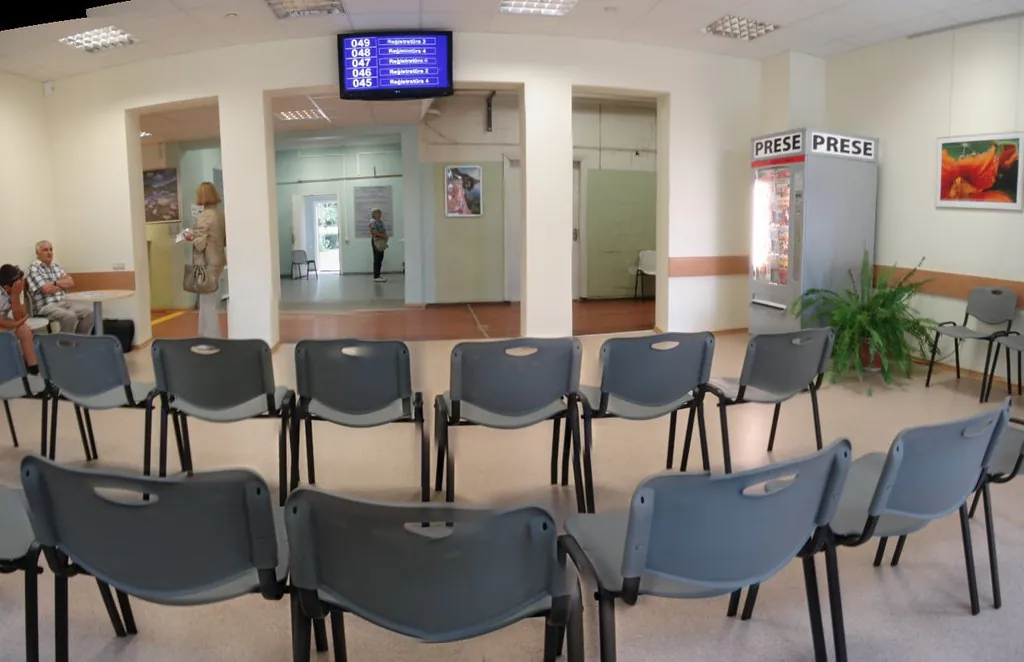
Wonderlane · CC BY
PROPOSED STUDYUS-01 · United States

Crime, Neighborhood Conditions, and Perceived Public Safety in American Cities

Do recorded crime and the condition of a neighbourhood move together with how safe the people who live there say they feel — and where do the two come apart?
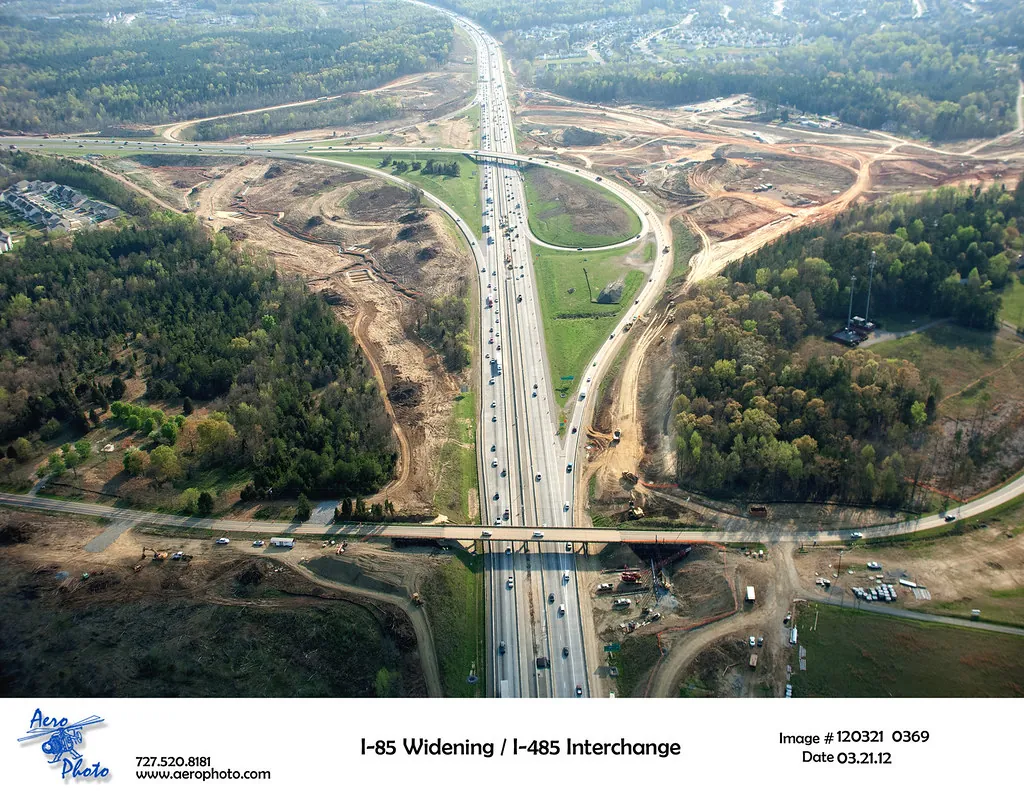
NCDOTcommunications · CC BY
PROPOSED STUDYUS-02 · United States

Traffic Safety, Risky Driving Behaviors, and Road Accident Prevention in the United States

Which driving behaviours carry the most risk, and what actually reaches the drivers who perform them?

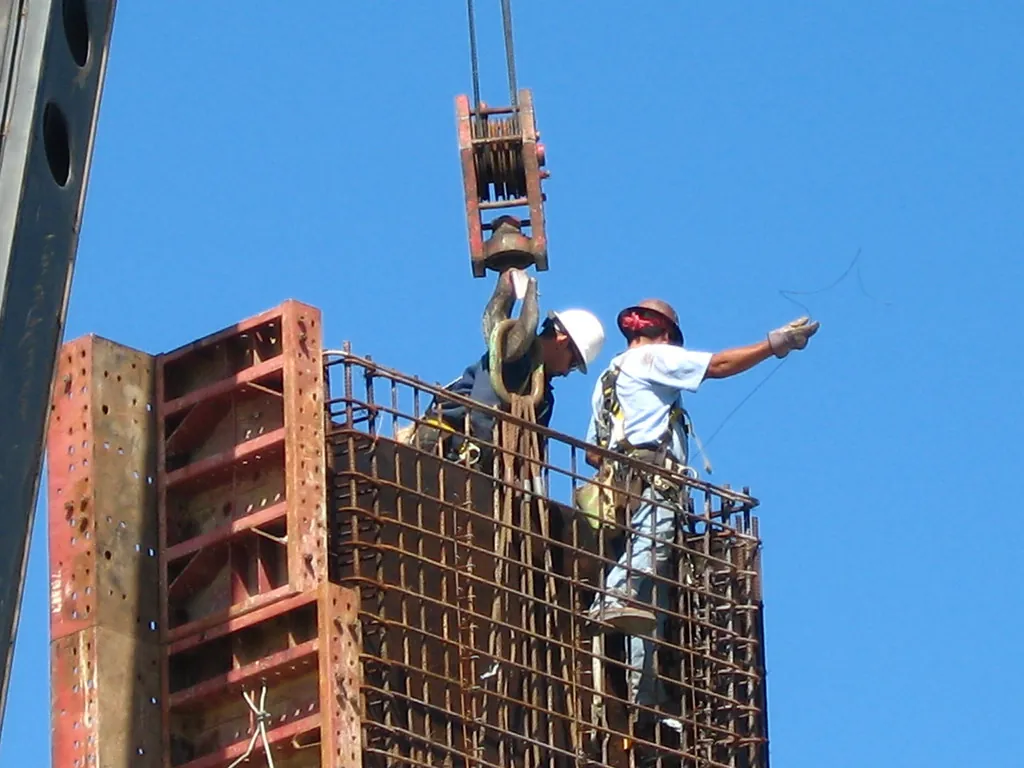
pnh · CC BY
PROPOSED STUDYUS-03 · United States

Homelessness, Mental Health, and Access to Social Services in Urban America

Where do homelessness, mental health and the services meant to reach both actually meet — and where do people fall between them?

milkisprotein · CC BY
PROPOSED STUDYUS-04 · United States

Healthcare Affordability, Medical Debt, and Delayed Care Among American Adults

What does a household do when care costs more than it can pay, and what happens to the care it puts off?

See-ming Lee (SML) · CC BY
PROPOSED STUDYUS-05 · United States

Social Isolation, Psychological Distress, and Community Well-being Among Young Adults in the United States

How far does isolation among young adults track psychological distress, and what in a community offsets it?

Asia-Pacific and international

Five proposed studies of ageing, work, care and giving — three across the Asia-Pacific, two drawn across borders.

Ian Sane · CC BY
PROPOSED STUDYAP-01 · Asia-Pacific

Population Aging, Social Isolation, and Community Care Needs in Asia-Pacific Societies

As populations age, who is left without the care a family used to provide, and what fills the gap?

Hello Turkey Toe · CC BY
PROPOSED STUDYAP-02 · International

Online Fraud, Financial Victimization, and Digital Vulnerability Among Older Adults: An International Comparative Study

Which older adults does online fraud reach, by what route, and what loss follows — and does the answer differ between countries?

dejankrsmanovic · CC BY
PROPOSED STUDYAP-03 · Asia-Pacific

Unpaid Family Caregiving, Economic Burden, and Psychological Distress in Aging Societies

What does unpaid family care cost the person giving it — in money, in work, and in health?

billjacobus1 · CC BY
PROPOSED STUDYAP-04 · Asia-Pacific / International

Employment Insecurity, Workplace Exploitation, and Psychological Well-being Among Migrant Workers

What do insecure work and workplace exploitation do to the well-being of migrant workers, and which protections reach them?

Gianf84 · CC BY SA
PROPOSED STUDYAP-05 · International

Cross-Border Charitable Giving, Diaspora Engagement, and Transnational Philanthropy

How does money given across a border find its way, and what does diaspora engagement change about where it goes?

Tell us something you know

These are the questions we think are worth the work, and we would rather hear from you now than after a study is designed around one of them. If you know the literature that already answers a question here, the population it should be asking instead, the method that would settle it, or simply what it is like where the work would happen — write and tell us.

The same invitation holds for work we have not listed. If something belongs on this page and is not on it, tell us what and why.

Write instead[email protected]

Researchers, practitioners, people who work with the populations named above, and people who are those populations. The form is a form; the reply comes from a person.

Tell us something you know

About one of the ten proposed studies, or about a question nobody here has thought to ask. It goes to [email protected] as an email. Nothing is stored on this site and there is no account to create.

A paper, a dataset description, a note. Up to 4 MB.
A person reads it, and you will hear back.

The project record

Project title

What the study is called, in the words it is registered under.

Research area

The subject it belongs to, so projects can be grouped and compared.

Principal investigator

The person with scientific responsibility for the study.

Study design

Cross-sectional, longitudinal, experimental, qualitative — stated before the findings, not inferred from them.

Project status

In design, in review, recruiting, in the field, in analysis, reported, or closed.

Research population

Who is being studied, where, and against what eligibility criteria.

Ethics review information

Whether the protocol has been reviewed, by which board, and under what reference.

Related publications

What has been published from the study, with DOIs.

Research materials

The instrument, the codebook and, where consent and privacy permit, the data.